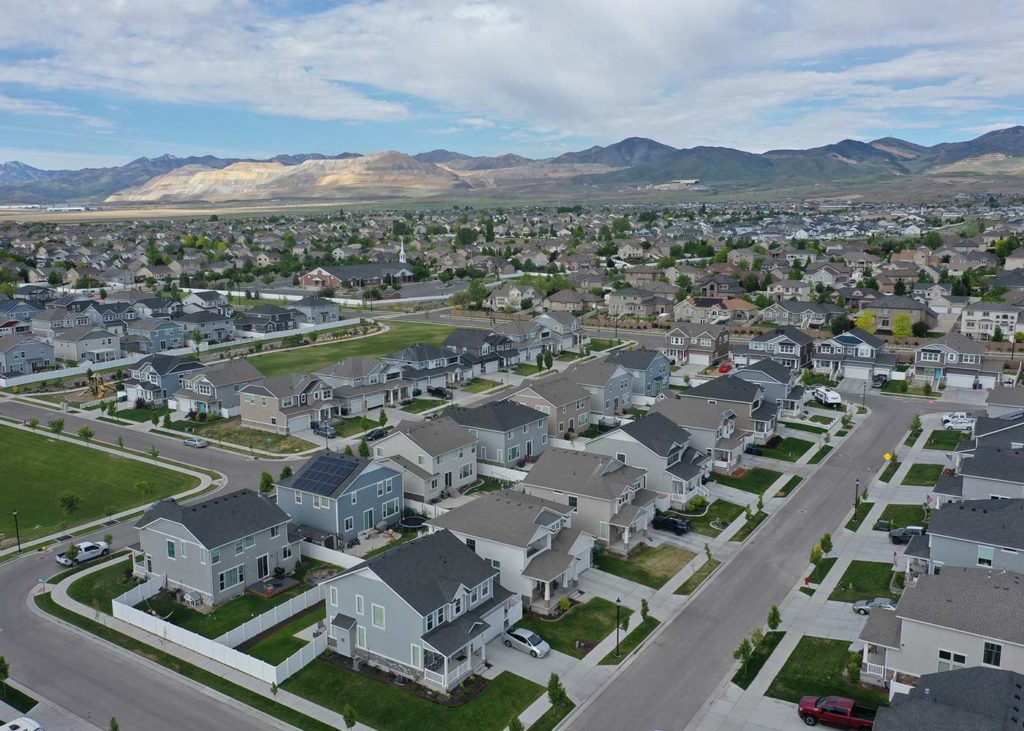

Asbestos Safety After a Disaster

Damaged Homes Can Create Hidden Health Hazards
When a disaster damages a home or building, the dangers do not always end when the immediate emergency is over. Earthquakes, fires, floods, severe storms, tornadoes, and other events can damage walls, ceilings, flooring, insulation, roofing, pipes, and other building materials.
In older homes and buildings, some of these materials may contain asbestos. When asbestos-containing materials are intact and left undisturbed, they generally present much less risk. However, breaking, cutting, crushing, sanding, drilling, demolition, or disaster damage can release microscopic asbestos fibers into the air.
Breathing airborne asbestos fibers can increase the risk of serious diseases, including asbestosis, lung cancer, and mesothelioma.
Where Might Asbestos Be Found?
Asbestos was historically used in many construction materials because of its strength and resistance to heat and fire. Materials that may contain asbestos can include:
- Pipe, boiler, and duct insulation
- Vinyl floor tiles and some flooring adhesives
- Roofing and siding materials
- Ceiling tiles and some textured or “popcorn” ceilings
- Insulation
- Cement products and panels
- Fireproofing materials
- Certain wall and ceiling compounds
You usually cannot determine whether a material contains asbestos simply by looking at it.
After a Disaster: Stop Before You Start Cleaning
Before beginning major cleanup, demolition, or repairs in a damaged older home:
Do not disturb suspicious building materials.
Avoid tearing out, sweeping, drilling, sanding, breaking, or cutting material that may contain asbestos.
Keep children and pets away from damaged areas.
Limit access to debris and areas where dust has accumulated.
Avoid creating additional dust.
Do not use leaf blowers, compressed air, or other methods that can send dust and fibers into the air.
Do not burn building debris.
Disaster debris can contain asbestos, lead, chemicals, and other hazardous materials.
Consider having damaged materials inspected.
A qualified asbestos professional can determine whether asbestos is present and recommend appropriate cleanup or removal procedures.
Follow instructions from local and state authorities.
Large disasters may result in special debris collection, transportation, or disposal instructions.
Think About This Before a Disaster
Emergency preparedness is not only about storing food, water, and flashlights. Knowing your home can also help make recovery safer.
Residents, particularly those who own older homes, may want to:
- Know approximately when the home was built.
- Keep records of previous remodeling or asbestos inspections.
- Know whether asbestos-containing materials have previously been identified.
- Keep insurance and important property records accessible.
- Include sturdy gloves, eye protection, protective clothing, and appropriate respiratory protection in cleanup supplies.
- Have contact information available for qualified contractors before a disaster occurs.
Do not attempt asbestos removal simply because you have protective equipment. Proper asbestos assessment, containment, removal, and disposal may require trained and certified professionals.
A Dust Mask Is Not an Asbestos Cleanup Plan
Residents should not assume that a basic disposable dust mask makes it safe to demolish or remove suspected asbestos-containing materials.
The safest approach is to avoid disturbing the material and seek professional guidance when asbestos is suspected.
Asbestos Exposure and Long-Term Health
Asbestos-related diseases generally develop after a long period of time rather than immediately following an exposure.
Mesothelioma is a rare cancer most commonly affecting the tissue surrounding the lungs. Symptoms of pleural mesothelioma can include:
- Shortness of breath
- Persistent cough
- Chest pain
- Unexplained fatigue
- Unexplained weight loss
These symptoms can be caused by many conditions and do not necessarily indicate an asbestos-related disease. Anyone concerned about past asbestos exposure or persistent respiratory symptoms should discuss those concerns with a healthcare provider.
For more information on Mesothelioma, you can access the Mesothelioma Symptoms Guide at https://www.asbestos.com/mesothelioma/symptoms/
Utah Asbestos Information
The Utah Department of Environmental Quality, Division of Air Quality administers Utah’s asbestos program and provides information concerning asbestos inspections, certified contractors, renovation, demolition, and asbestos-containing materials.
Utah Division of Air Quality
195 North 1950 West
Salt Lake City, Utah 84116
Phone: 801-536-4000
For emergencies that threaten life or property, call 911.
Additional Resources
For additional information about asbestos, disaster cleanup, and health effects, residents may consult:
- U.S. Environmental Protection Agency — Asbestos and Natural Disaster Cleanup
- Utah Department of Environmental Quality — Asbestos Program
- Centers for Disease Control and Prevention — Mesothelioma Information
- Occupational Safety and Health Administration — Asbestos Safety
- The Mesothelioma Center — Asbestos and Natural Disasters
Remember: Following a disaster, your first priority is life safety. Once the immediate emergency has passed, take the time to identify potential hazards before beginning demolition or cleanup. A few extra precautions can prevent a disaster recovery project from creating an unnecessary long-term health risk.