The FY 2027 tentative budget includes a proposed tax rate increase. Details are available in the Property Tax Impact Schedule. Full budget documents can be found on the budget page. Public hearings will be held during City Council meetings on June 9, June 23, and Aug. 11.

Construction Oversight Inspection Form

Construction Oversight Inspection Form

Project Information
Inspection Details
Inspection Reason
Inspector Code
Inspection Code
Inspection Type

Part 1: Onsite Compliance Inspection

Answer each item with Yes, No, or N/A.

Arrival and Initial Checks

  1. 1. Is the SWPPP signage posted at the site entrance, clearly visible, and does it include the required information (for example, UPDES tracking number and site operator contact information)?
    CGP 1.5; CPP 1.9
    Question 1 response
  2. 2. Is a copy of the SWPPP available onsite, or is its location clearly indicated on the posted signage and accessible within a reasonable time?
    CGP 1.5.7; CPP 1.9
  3. 3. Are effective track-out controls, such as stabilized construction entrances or wheel wash systems, installed and maintained at all egress points? Are paved surfaces free of track-out or sediment accumulation?
    CGP 2.2.4; CPP 2.4.1

Perimeter Inspection

  1. 4. Are perimeter controls, such as silt fences, wattles, or berms, properly installed and maintained, effectively preventing sediment from leaving the site, with no visible evidence of sediment discharges beyond the site boundary?
    CGP 2.2.3; CPP 2.1.2
  2. 5. Are natural buffers, or equivalent sediment controls, maintained around water bodies within 50 feet of earth disturbances, and are these buffers effectively minimizing sediment discharges?
    CGP 2.2.1; CPP 2.3.5
  3. 6. Is the operator ensuring that stormwater discharges are free of visible pollutants, prohibited discharges, or sediment impacting waters of the state or unprotected storm drains? If not, immediately call the Environmental Incident Response Line at (801) 536-0539.
    CGP 1.3, 3.1; CPP 2.3.4
  4. 7. Are velocity dissipation devices installed at outfalls, along drainage channels, or at other locations to slow down runoff and prevent erosion?
    CGP 2.2.11; CPP 2.3.3

Interior Site Inspection

  1. 8. Are storm drain inlets within and immediately adjacent to the construction site properly protected with appropriate BMPs? Has accumulated sediment in and around the inlet been removed?
    CGP 2.2.10; CPP 2.1.3
  2. 9. Are soil and material stockpiles adequately protected from erosion and sediment transport using covers, silt fences, or other appropriate BMPs, and are they located away from stormwater conveyances and inlets?
    CGP 2.2.5; CPP 2.1.1
  3. 10. Are effective suppression measures, such as water spraying or mulching, implemented on exposed soil areas to prevent excessive dust generation?
    CGP 2.2.6; CPP N/A
  4. 11. Are erosion control measures, such as stabilization, mulching, or erosion blankets, implemented effectively on slopes, disturbed areas, and other vulnerable areas, including any areas with no construction activities for 30 days (CPP 14 days)?
    CGP 2.2.14; CPP 2.6.1
  5. 12. Is vegetation preservation, slope disturbances, topsoil management, and soil compaction being effectively managed to prevent potential impacts on water quality?
    CGP 2.2.2, 2.2.7-2.2.9; CPP 2.5
  6. 13. Are effective spill prevention, containment, and pollutant discharge minimization measures in place for all equipment fueling, maintenance, and washing activities?
    CGP 2.3.1, 2.3.2; CPP 2.8.1
  7. 14. Are chemical storage and hazardous waste areas properly managed with secondary containment and spill prevention measures in place, and are these areas free from spills or leaks?
    CGP 2.3.3.c-d; CPP 2.8.3
  8. 15. Are waste management practices effective, with all construction materials, debris, and waste properly stored, contained, and disposed of to prevent exposure to stormwater and overflow?
    CGP 2.3.3.a-b, e; CPP 2.4.3, 2.8.2
  9. 16. Are portable sanitation facilities, such as port-o-potties, positioned securely, away from drainage features, and maintained to prevent leaks or spills?
    CGP 2.3.3.f; CPP 2.4.4
  10. 17. Are designated areas for concrete, paint, and other construction material washout properly managed to prevent contamination of stormwater?
    CGP 2.3.4; CPP 2.1.1
  11. 18. Do the stormwater controls (e.g., erosion, sediment, and pollution prevention measures) match those indicated on the site map, and are they designed, installed, and maintained according to BMP specifications in the SWPPP, considering precipitation, slope, soil type, and construction phase adjustments?
    CGP 2.1.1-2.1.4; CPP 4.1.1

Part 2: SWPPP Pre-Site Review

Ensure all information is accurate and up to date.

  1. 1. Has a pre-construction review of the SWPPP been conducted by the appropriate municipal agency?
  2. 2. Are contact names, positions, responsibilities, and telephone numbers of the Storm Water Team and all other responsible parties listed in the SWPPP?
    CGP 7.3.1; CPP 4.2.1
  3. 3. Is there documentation verifying that all key personnel have received appropriate training as required by the CGP/CPP, and are these records included in the SWPPP?
    CGP 6.2, 6.3, 2.2.13.f; CPP 4.2.8
  4. 4. Is the construction activity described in detail, including an estimate of the area to be disturbed, the sequence of construction activities, and a description of all on-site and off-site construction activity support areas?
    CGP 7.3.2; CPP 4.2.2
  5. 5. Does the SWPPP include a detailed site map showing storm drains, slopes, surface drainage patterns, stream buffer zones, stormwater discharge points, construction boundaries, limits of disturbance, surface waters (including the name of receiving waters), and the placement of both structural and non-structural controls?
    CGP 7.3.3; CPP 4.2.3
  6. 6. Does the SWPPP include accurate discharge information, including receiving waters, impaired waters, and high-quality waters? Are there specific measures outlined to prevent the discharge of pollutants into these waters?
    CGP 3.2; CPP 4.2.5
  7. 7. Does the SWPPP identify all pollution-generating activities, such as concrete washout and solid waste disposal, that could affect stormwater discharges from the site?
    CGP 7.3.2.f; CPP 4.2.6
  8. 8. Are non-stormwater discharges identified and controlled, with descriptions of allowable discharges, such as fire hydrant flushing and uncontaminated groundwater, included in the SWPPP?
    CGP 7.3.4; CPP 1.3
  9. 9. Does the SWPPP describe natural buffers and/or equivalent sediment controls? (i.e., compliance alternatives)?
    CGP 7.3.5.b(1), Appendix A; CPP 4.2.4
  10. 10. Does the SWPPP detail the specifications of all erosion and sediment controls, such as silt fences, sediment basins, check dams, and inlet protection, in line with CGP requirements?
    CGP 7.3.5.a; CPP N/A
  11. 11. Have specific stabilization measures, including both vegetative and non-vegetative practices, as well as the stabilization deadline, been provided in the SWPPP?
    CGP 7.3.5.b(6); CPP 4.2.3
  12. 12. Does the SWPPP include comprehensive spill prevention and response procedures, including personnel responsibilities, cleanup steps, and emergency contact information?
    CGP 7.3.5.b(7); CPP N/A
  13. 13. Does the SWPPP describe the placement of pollution prevention controls, such as those for material storage, construction waste management, sanitary waste management, and spill prevention measures?
    CGP 7.3.5.b(8); CPP 4.2.6, 4.2.7
  14. 14. Does the SWPPP include a clear schedule for conducting inspections and taking corrective actions? Is the inspection schedule, rain gauge location (if applicable), and any relevant checklists or forms clearly documented?
    CGP 7.3.6; CPP 3.2, 3.3
  15. 15. Are site inspections being conducted at the selected frequency, such as every 7 or 14 days or within 24 hours of a 0.50-inch rainfall, and do they adequately cover all necessary areas or document stormwater control issues?
    CGP 4.2, 4.5, 4.6; CPP 3.4
  16. 16. Are corrective actions from previous inspections documented and updated in the SWPPP within the required 7-day timeframe, including changes to stormwater controls, construction plans, and SWPPP modifications?
    CGP 5, 7.5; CPP 3.5, 3.6
  17. 17. Does the SWPPP include the Notice of Intent (NOI) and a copy of the CGP or Common Plan Permit, along with any additional permits required, such as dewatering or stream alteration?
    CGP 7.4; CPP 4.2.9
  18. 18. Has the SWPPP been signed by the appropriate responsible corporate officer or duly authorized representative?
    CGP 9.9; CPP 4.2.10

Certification

I certify under penalty of law that this document and all attachments were prepared under my direction or supervision in accordance with a system designed to assure that qualified personnel properly gathered and evaluated the information submitted. Based on my inquiry into the person or persons who manage the system, or those persons directly responsible for gathering the information, the information submitted is, to the best of my knowledge and belief, true, accurate, and complete. I am aware that there are significant penalties for submitting false information, including the possibility of fine and imprisonment for knowing violations.

Last updated on the source form: 11/22/24.

Privacy Notice

The personal data being collected is included in a public record as defined under Utah Code 63G-2-301 and may be available to the public as provided in Utah Code 63G-2-201. Prior to making a record available to the public, the City of West Jordan redacts private, protected, or controlled information as defined in Utah Code 63G-2-302, 304, and 305. For more information, contact the City’s Data Privacy Officer, Tangee Sloan – tangee.sloan@westjordan.utah.gov.

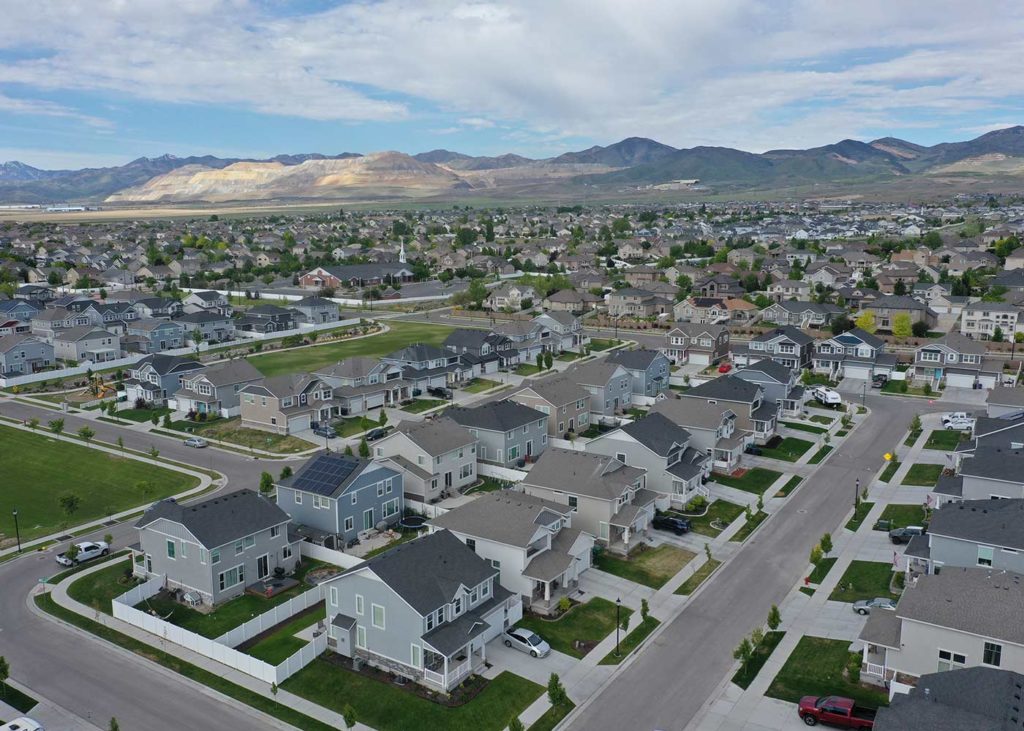
aerial view of West Jordan neighborhood